Candi (Temples)
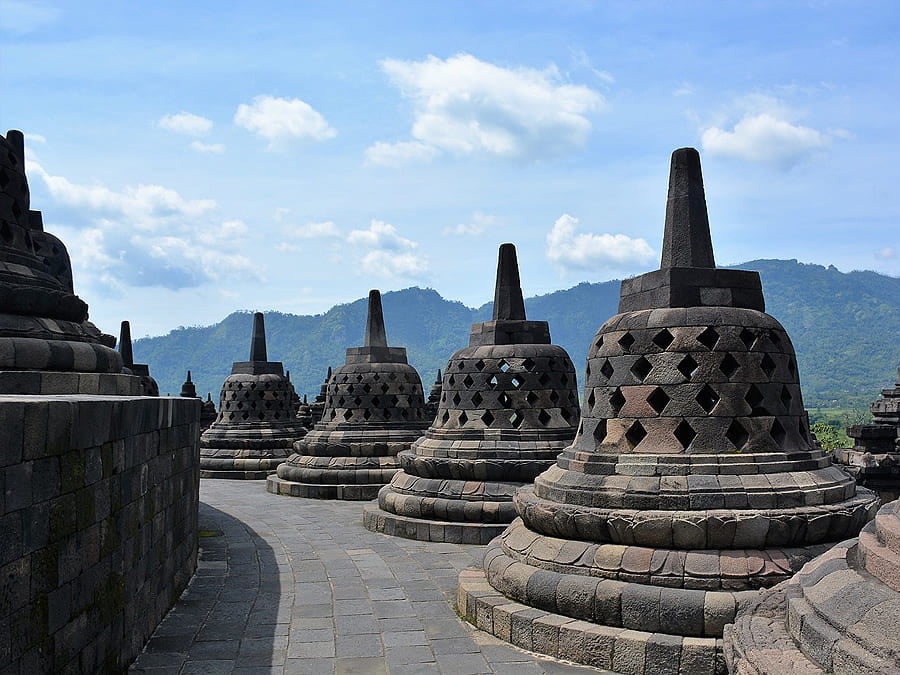
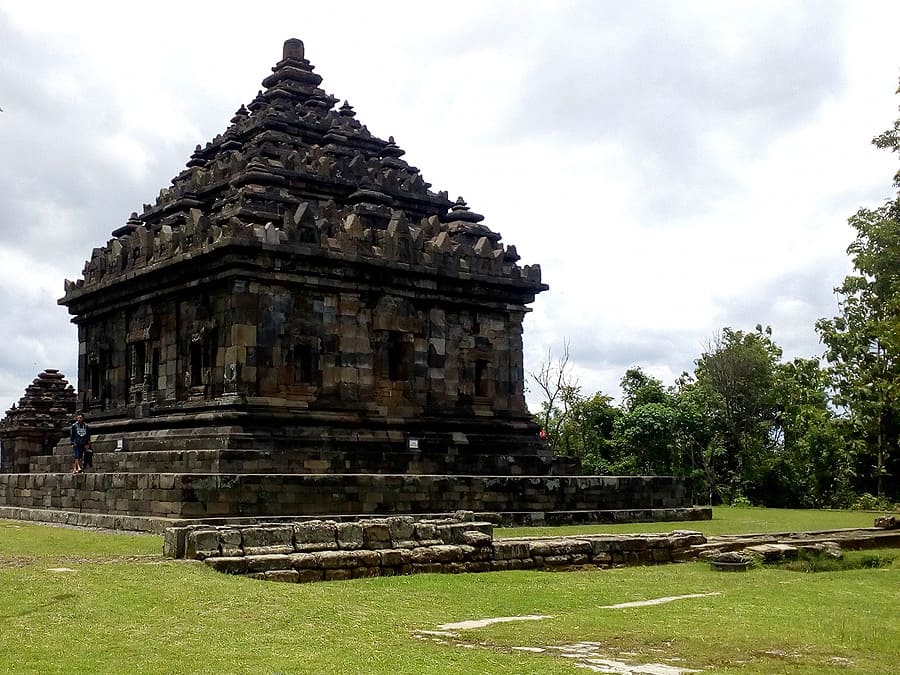
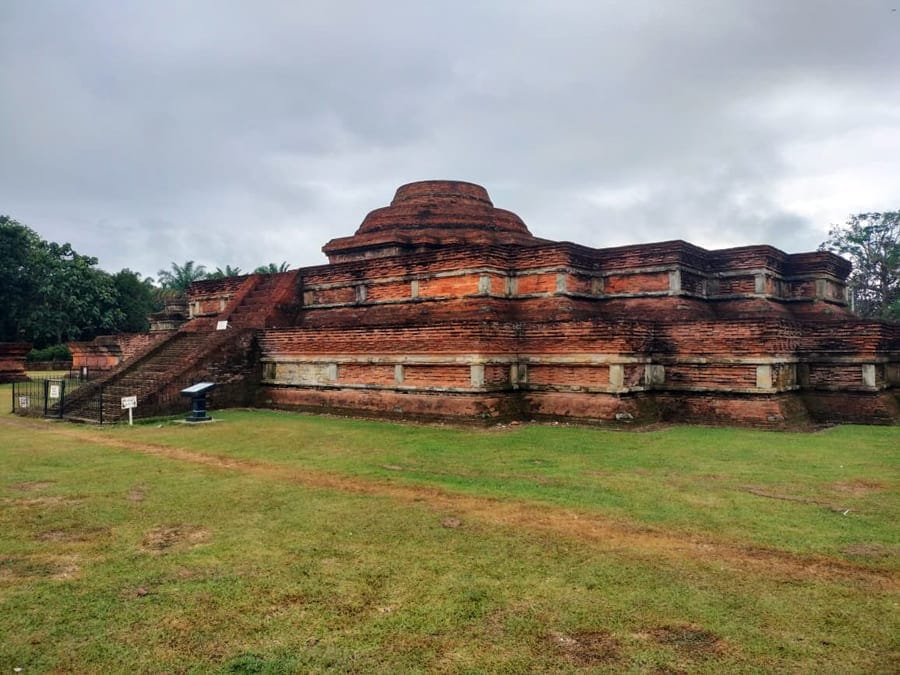
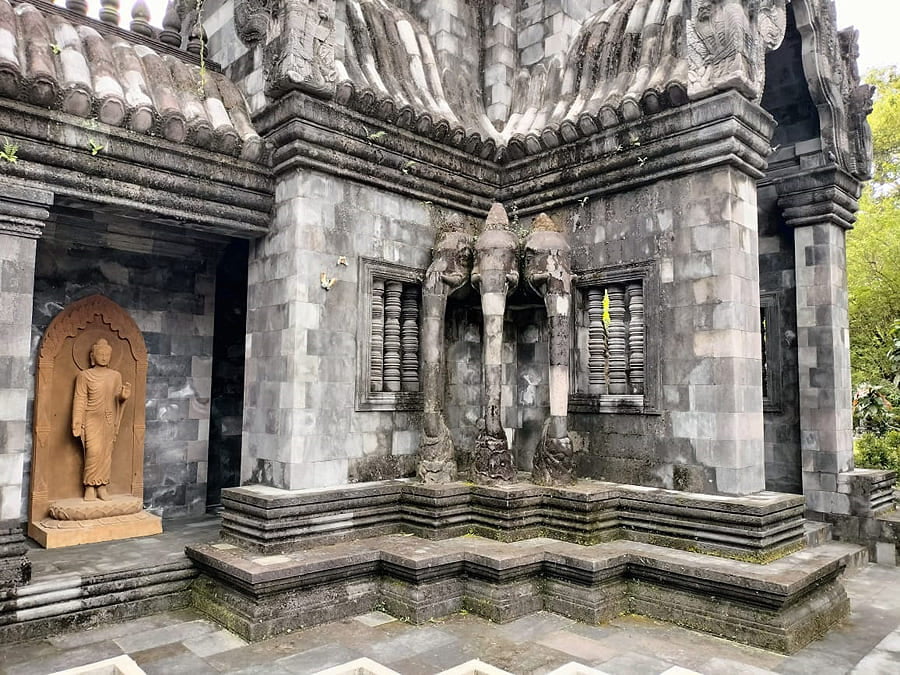
Candi (from the Old Javanese word candi) refers to stone temples and sanctuaries constructed during the Hindu-Buddhist period in Indonesia, roughly spanning the 4th to 15th centuries. These sacred structures were not only places of worship but also served as monuments to kings, priests, and spiritual traditions, often housing relics or ashes of cremated rulers. These Candi’s remain some of the country’s most iconic cultural landmarks.
Most candis are built from andesite or brick, featuring intricate carvings, reliefs, and symbolic motifs that reflect Hindu and Buddhist cosmology. They are concentrated in Java, Sumatra, and Bali, with famous examples including Candi Borobudur, the world’s largest Buddhist monument, and Candi Prambanan, a grand Hindu temple complex.
Candi temples are living testaments to Indonesia’s rich spiritual and artistic heritage. They attract millions of visitors annually, offering insight into the country’s ancient civilizations and their enduring influence on modern Indonesian culture.